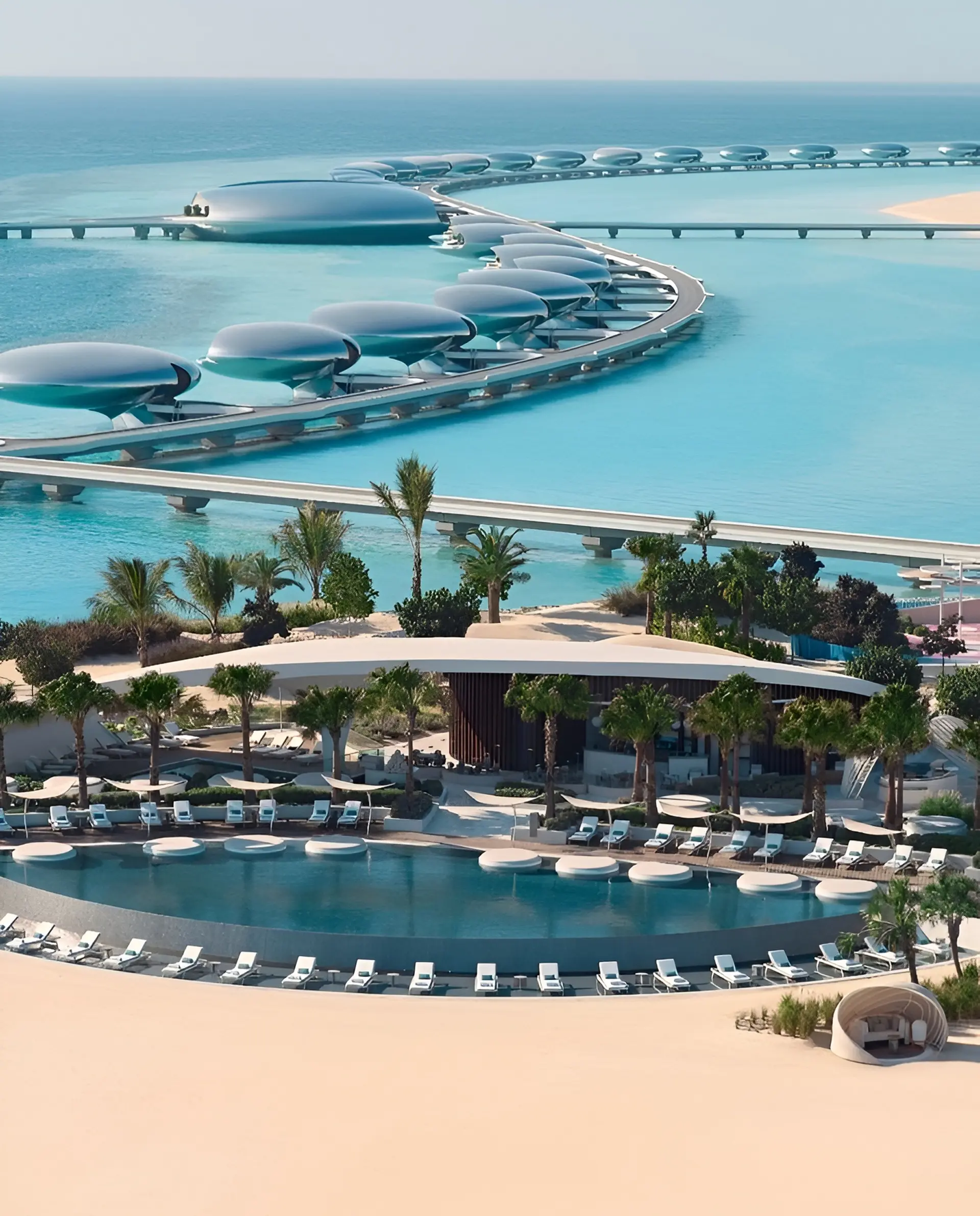
In an era where consumers have more choices than ever, attracting visitors is no longer the greatest challenge facing developers and destination owners. The real challenge is creating places people choose to return to.
Across hospitality, retail, entertainment, and mixed-use developments, long-term success is increasingly tied to repeat visitation. A destination that encourages people to come back generates stronger tenant performance, greater customer loyalty, higher occupancy, and more resilient asset value over time. [1]
Yet while many projects invest heavily in iconic architecture, premium finishes, and headline amenities, these elements alone do not guarantee lasting success.
The most memorable destinations are built on something deeper: a deliberate understanding of how people experience, remember, and emotionally connect with place.
Human decision-making is strongly influenced by memory.
When visitors decide where to stay, shop, dine, work, or spend leisure time, they rarely evaluate every available option objectively. Instead, they rely on remembered experiences and emotional associations.
A positive memory creates familiarity, trust, and anticipation. Over time, these qualities become powerful drivers of repeat behavior.
For destination owners and developers, this means that the experience people remember may be just as important as the physical environment itself. [2]
The question is no longer simply, "How does this place look?"
The more important question is, "How will this place be remembered?"
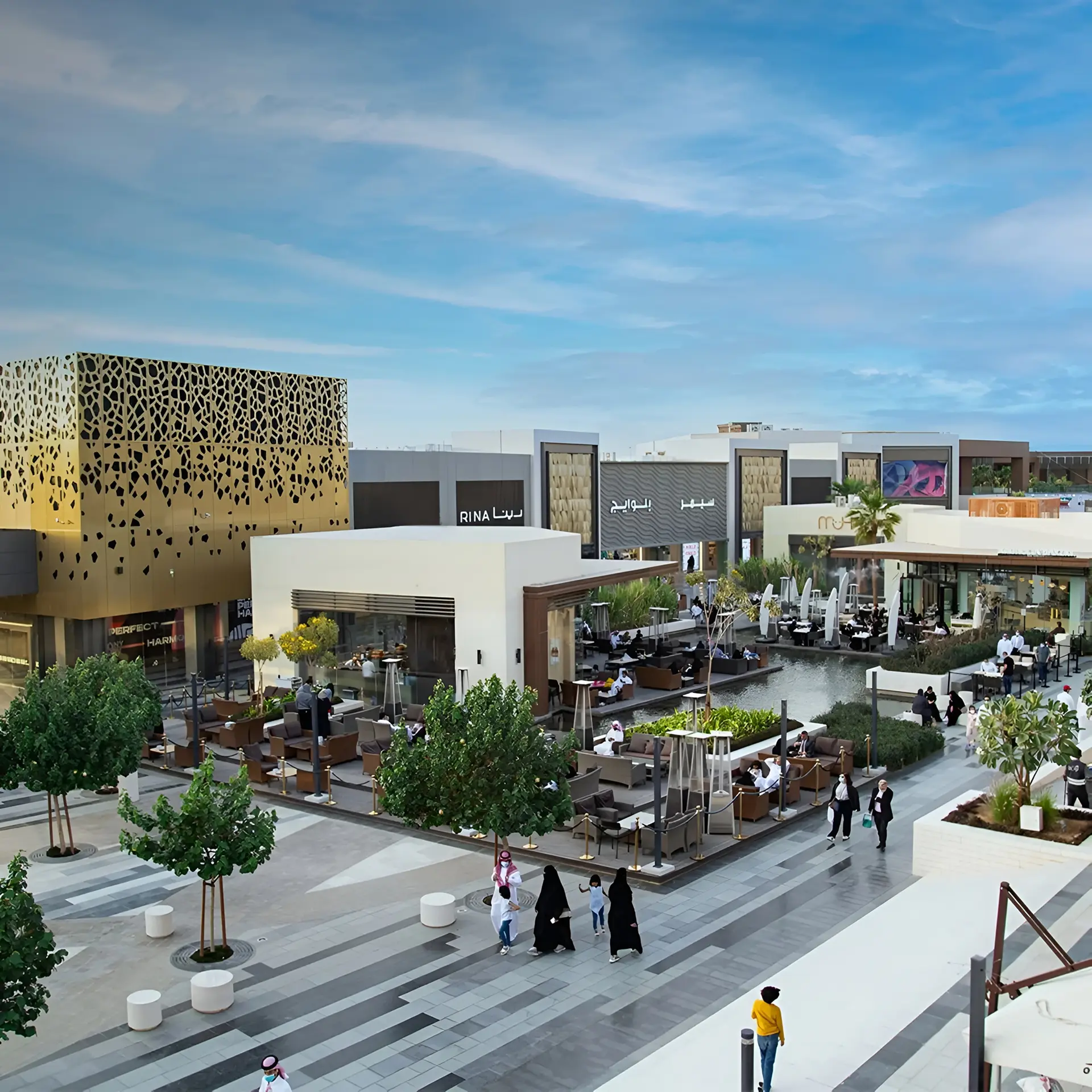
Research across hospitality and environmental psychology consistently demonstrates that emotional responses influence satisfaction, loyalty, and behavioral intentions.
People tend to remember experiences that make them feel something.
This emotional connection can be created through architecture, landscape, lighting, materials, public spaces, and carefully designed moments of discovery. Together, these elements shape how visitors perceive and interact with a destination. [3]
The most successful destinations do not rely on a single iconic feature. Instead, they create a sequence of experiences that gradually build a sense of connection.
A welcoming arrival experience. A vibrant public plaza. A shaded outdoor terrace. A memorable view. A thoughtfully designed hospitality space.
Individually, these moments may seem small. Collectively, they define how a place is experienced and remembered.
Many developments successfully meet functional requirements. They provide access, circulation, services, and amenities.
But functionality alone rarely creates attachment.
People are naturally drawn to environments that offer opportunities for exploration, social interaction, comfort, and discovery. The destinations that perform best over time are those that encourage engagement rather than simply accommodate activity.
This is particularly important in mixed-use environments, where visitors often have multiple reasons to engage with a destination.
A resident may begin the day with coffee, work remotely from a shared space, meet friends for dinner, and attend an evening event—all within the same development.
Each interaction contributes to a broader perception of the destination and strengthens the relationship between people and place.
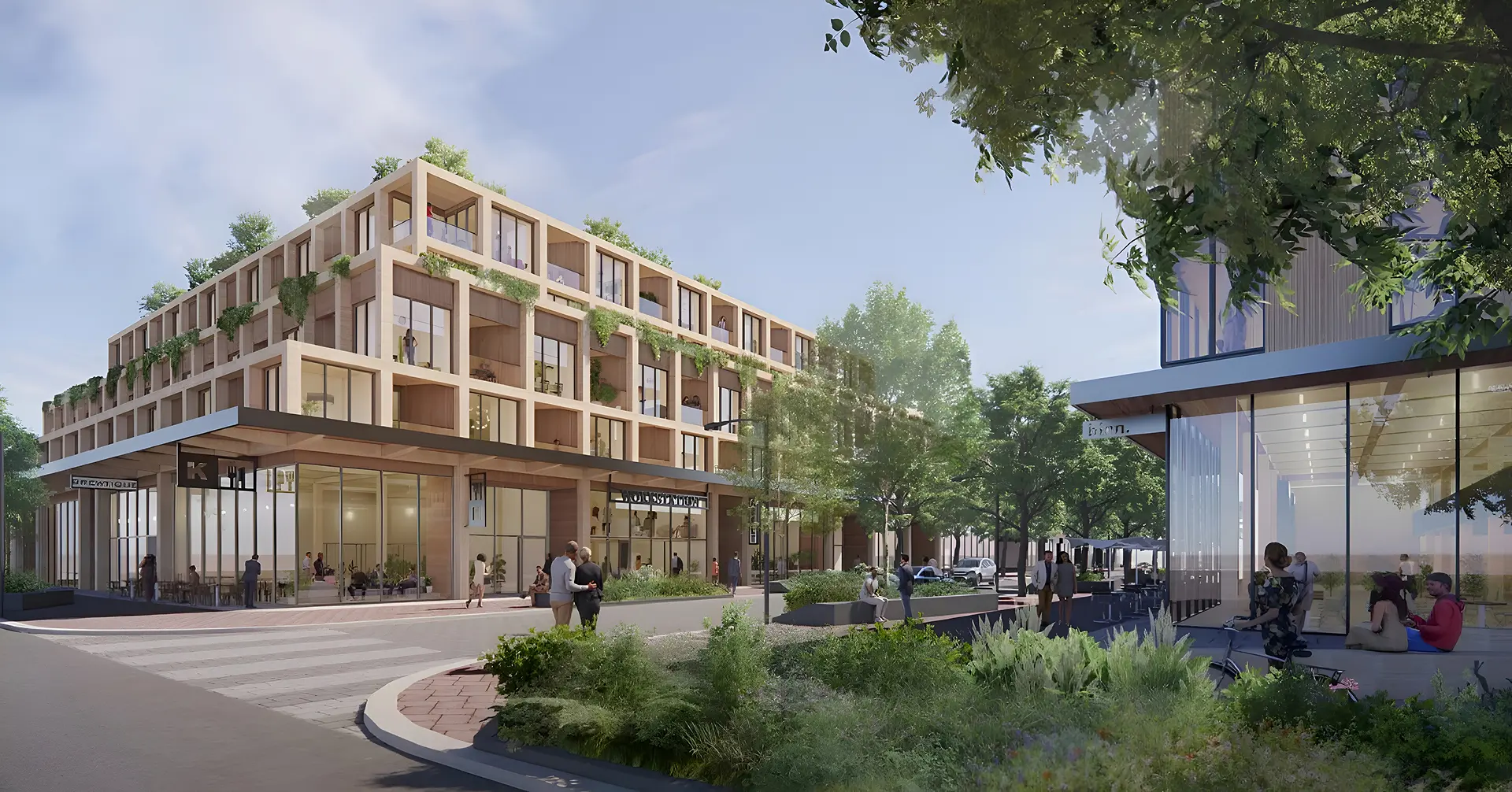
Memorable destinations engage more than just the visual sense.
Sound, texture, scale, lighting, climate responsiveness, and natural elements all influence how environments are perceived.
Hospitality research has repeatedly shown that environmental quality affects guest satisfaction, perceived value, and the likelihood of returning. Similarly, studies of public spaces suggest that comfort, greenery, walkability, and human-scale design contribute significantly to user preference and long-term engagement.
Destinations that consider the full sensory experience often create stronger emotional responses and more enduring memories.
This is one reason why some places remain memorable long after visitors leave, while others are quickly forgotten despite significant investment. [4]
Attracting first-time visitors and encouraging repeat visitation require different strategies.
Marketing campaigns can generate awareness. Signature architecture can create curiosity. New attractions can drive initial traffic.
Return visits, however, are earned through experience.
People return when destinations consistently deliver comfort, convenience, enjoyment, and emotional value. They return when a place becomes part of their routines, traditions, and personal memories.
For developers and operators, this shifts the conversation from creating destinations that are impressive to creating destinations that are meaningful.
The difference is subtle but important.
Impressive places attract attention.
Meaningful places build loyalty.
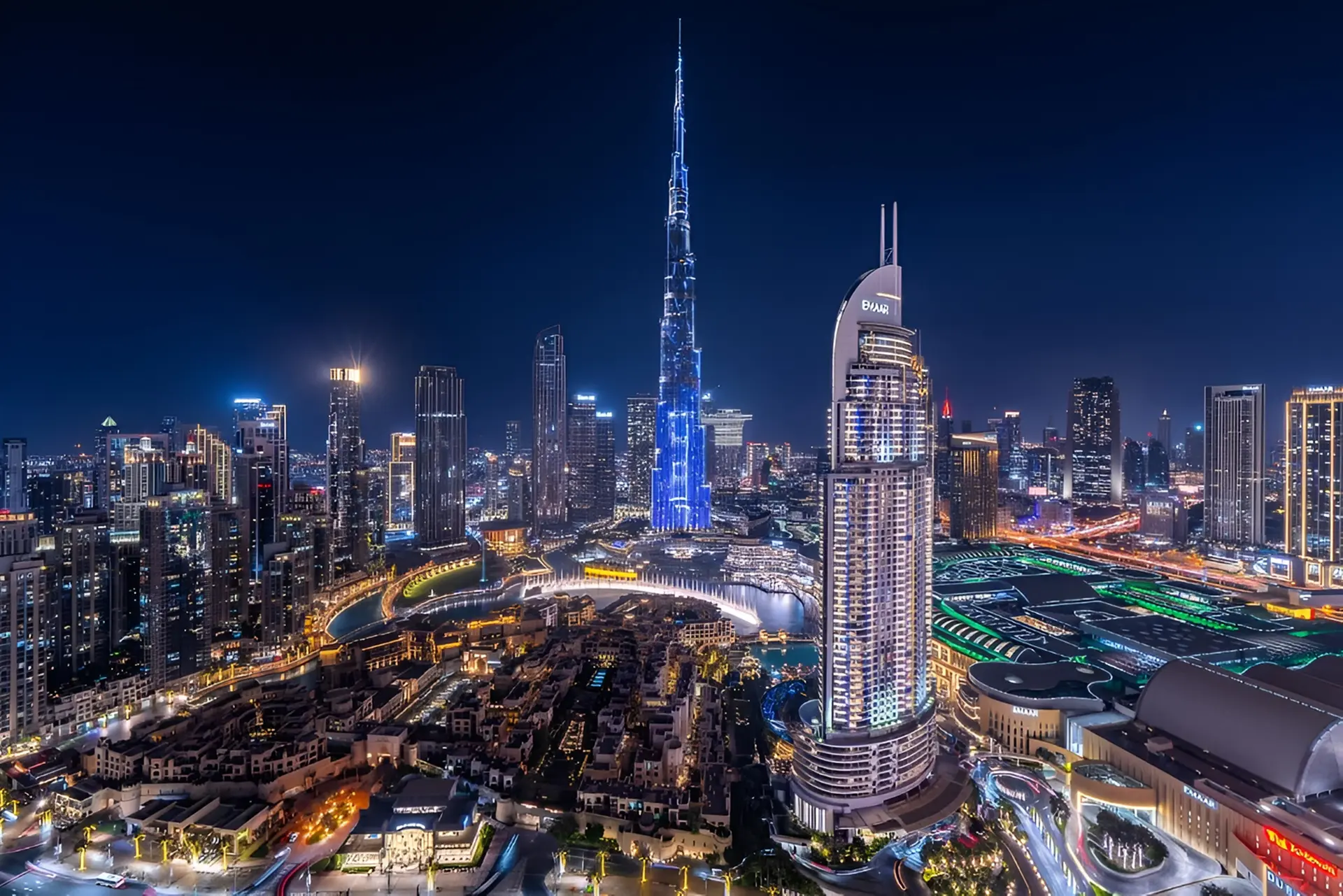
As competition intensifies across hospitality and mixed-use markets, destination performance will increasingly depend on more than location, amenities, or architectural distinction.
The projects that thrive will be those that understand the relationship between human experience and long-term asset value.
Design plays a critical role in shaping that relationship.
Not because design alone creates success, but because it influences how people feel, behave, remember, and ultimately choose where to spend their time. [5]
The most successful destinations are not necessarily the ones people visit once.
They are the ones people return to again and again.
And in today's experience-driven economy, there may be no more valuable metric than that.