%2C%20District%2010%2C%20Dubai%2C%20UAE.webp)
For many years, architecture was often viewed as a means of creating functional buildings or distinctive visual identities. Today, that perspective is changing.
As real estate markets become more competitive and user expectations continue to evolve, developers, investors, and asset owners are increasingly recognizing design as a business strategy — one that can directly influence occupancy rates, tenant retention, customer loyalty, and revenue generation.
Whether the asset is a mixed-use destination, hospitality development, residential community, or commercial property, the quality of the built environment plays a significant role in shaping how people perceive, experience, and ultimately choose a place.
The most successful projects are no longer defined solely by location or amenities. They are defined by how effectively design supports long-term business performance.
Attracting occupants, guests, or tenants starts long before a lease is signed or a reservation is confirmed.
First impressions, arrival experiences, public spaces, circulation, accessibility, and overall environmental quality all influence how people evaluate a property. These factors shape perceptions of value, quality, and trust.
In hospitality environments, guest expectations are formed within moments of arrival. In residential and commercial developments, prospective tenants often make decisions based on how a place feels rather than solely on its technical specifications. [1]
Design becomes a critical differentiator in markets where competing developments may offer similar locations, pricing structures, and amenity packages.
When users perceive a development as more welcoming, intuitive, and enjoyable, occupancy becomes easier to achieve and maintain.
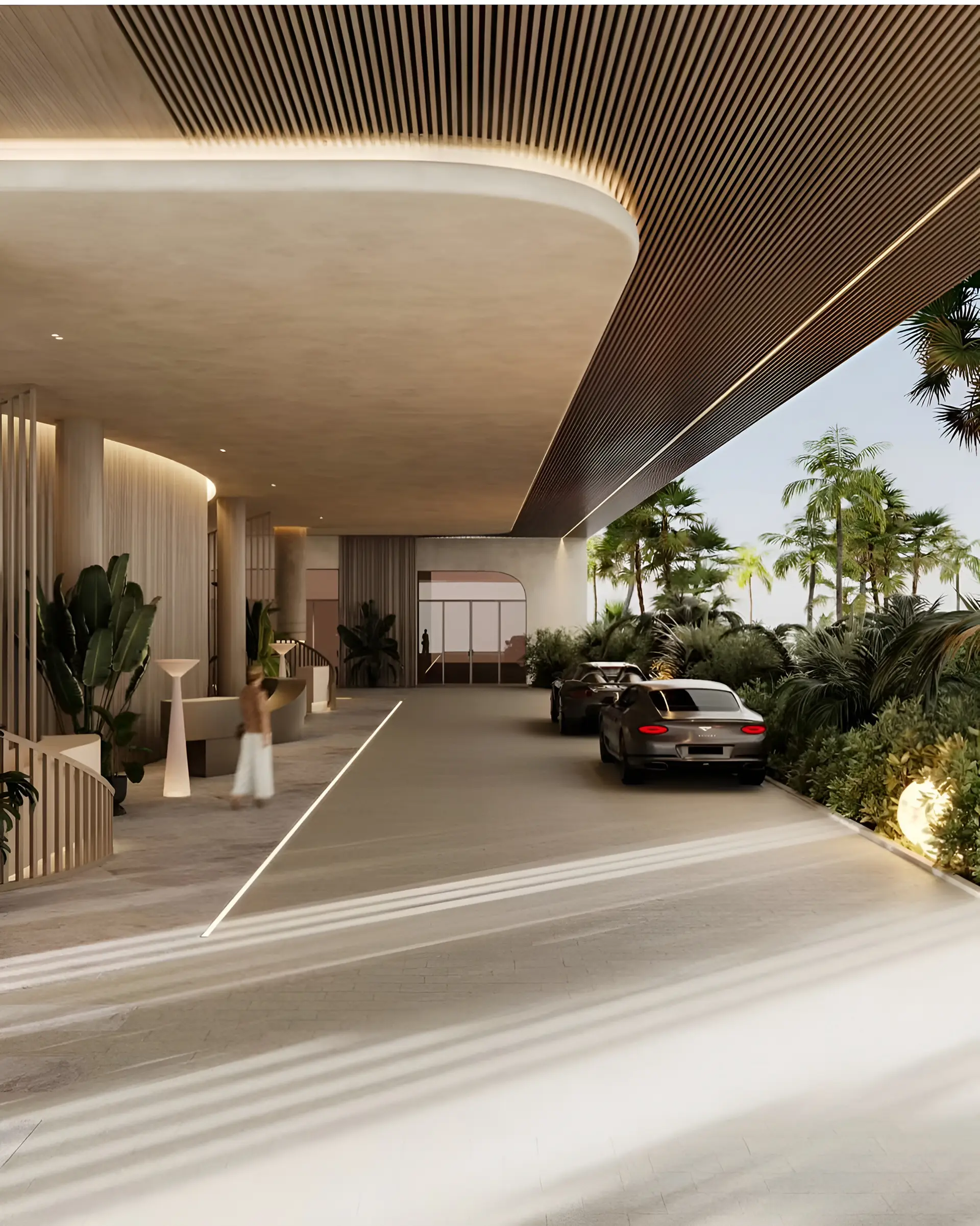
While attracting occupants is important, long-term performance often depends on retention.
Replacing tenants, attracting new residents, or acquiring new customers typically carries a higher cost than maintaining existing relationships. As a result, the quality of everyday experiences becomes a significant business consideration.
People are more likely to remain connected to environments that support comfort, convenience, wellness, and social interaction.
For residential developments, this may involve creating meaningful communal spaces, integrating wellness strategies and designing environments that support evolving lifestyles.
For workplaces, it may mean offering flexibility, access to natural light, collaboration opportunities, and environments that enhance employee satisfaction.
For hospitality assets, retention often depends on delivering memorable guest experiences that encourage repeat visits and positive recommendations. [2]
In each case, design influences whether users develop a lasting relationship with the property.
The relationship between design and revenue is often more direct than many assume.
Properties that deliver superior user experience frequently benefit from stronger demand, greater pricing power, and enhanced market positioning.
Hospitality assets with well-designed guest experience often achieve higher occupancy levels, stronger guest satisfaction scores, and improved revenue performance. Similarly, retail and mixed-use destinations that encourage longer dwell times can increase visitor spending and tenant success.
In commercial real estate, attractive and adaptable workplaces can strengthen leasing performance and support rental premiums. In residential developments, highly desirable environments can contribute to stronger absorption rates and increased property values. [3]
While design alone does not determine financial performance, it plays a significant role in creating the conditions that support it.
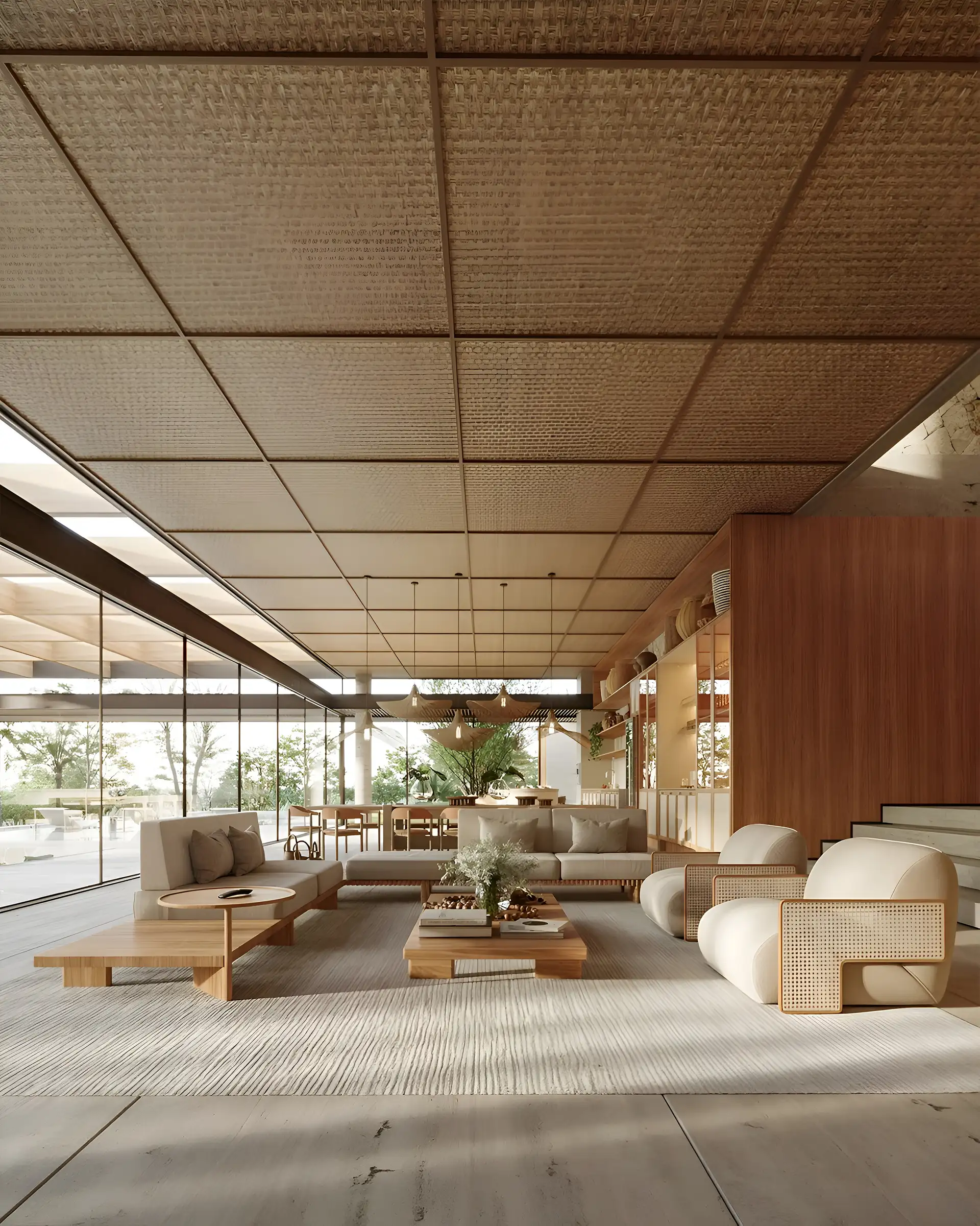
One of the greatest challenges facing developers today is differentiation.
Amenities can be copied. Technologies evolve rapidly. Market conditions change.
Creating a meaningful experience is far more difficult to replicate.
Successful developments understand that competitive advantage is often created through the relationship between architecture, interiors, landscape, public realm, and user experience. Together, these elements shape how people interact with a place and how they remember it. The strongest assets create emotional connections alongside functional benefits. [4]
They become places people prefer rather than places they simply use.
Perhaps the most important reason to view design as a business strategy is its influence over the entire lifecycle of an asset.
Design decisions made during planning and development continue affecting operational performance for decades. They influence maintenance requirements, energy consumption, adaptability, user satisfaction, and market relevance long after construction is complete.
When viewed through this lens, design is not merely a project phase. It is an investment in longterm performance.
Developers and investors who understand this relationship are increasingly moving beyond traditional discussions of aesthetics and construction costs. Instead, they are evaluating how design contributes to broader business objectives. [5]
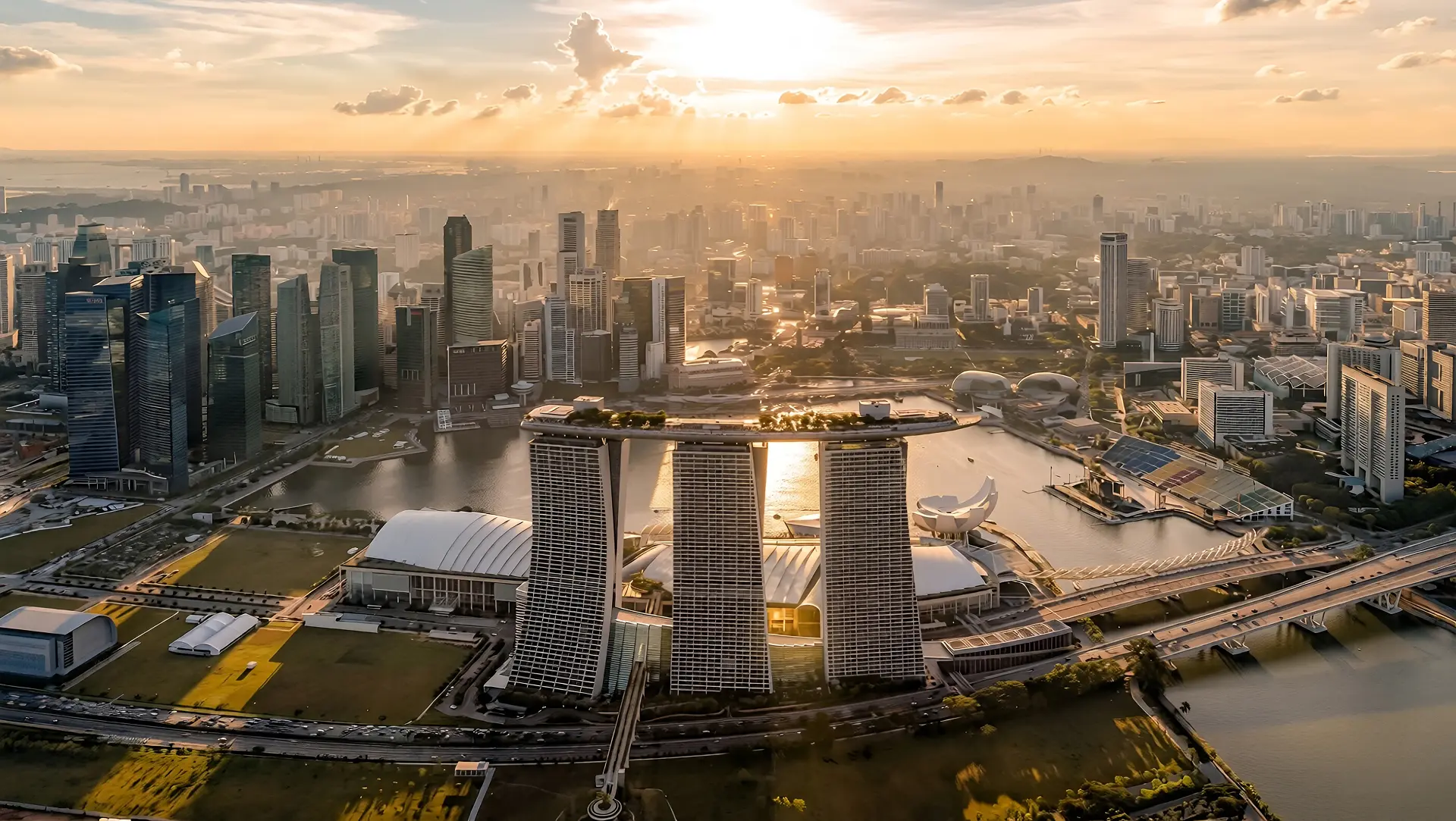
The future of real estate will be shaped by more than location and market timing.
As expectations evolve and competition intensifies, the ability to create environments that attract people, encourage loyalty, and support long-term value creation will become increasingly important.
Architecture, interior design, and engineering are central to this challenge.
Not because they define how a building looks, but because they influence how it performs.
The most successful developments recognize that design is not simply about creating better buildings.
It is about creating better business outcomes.