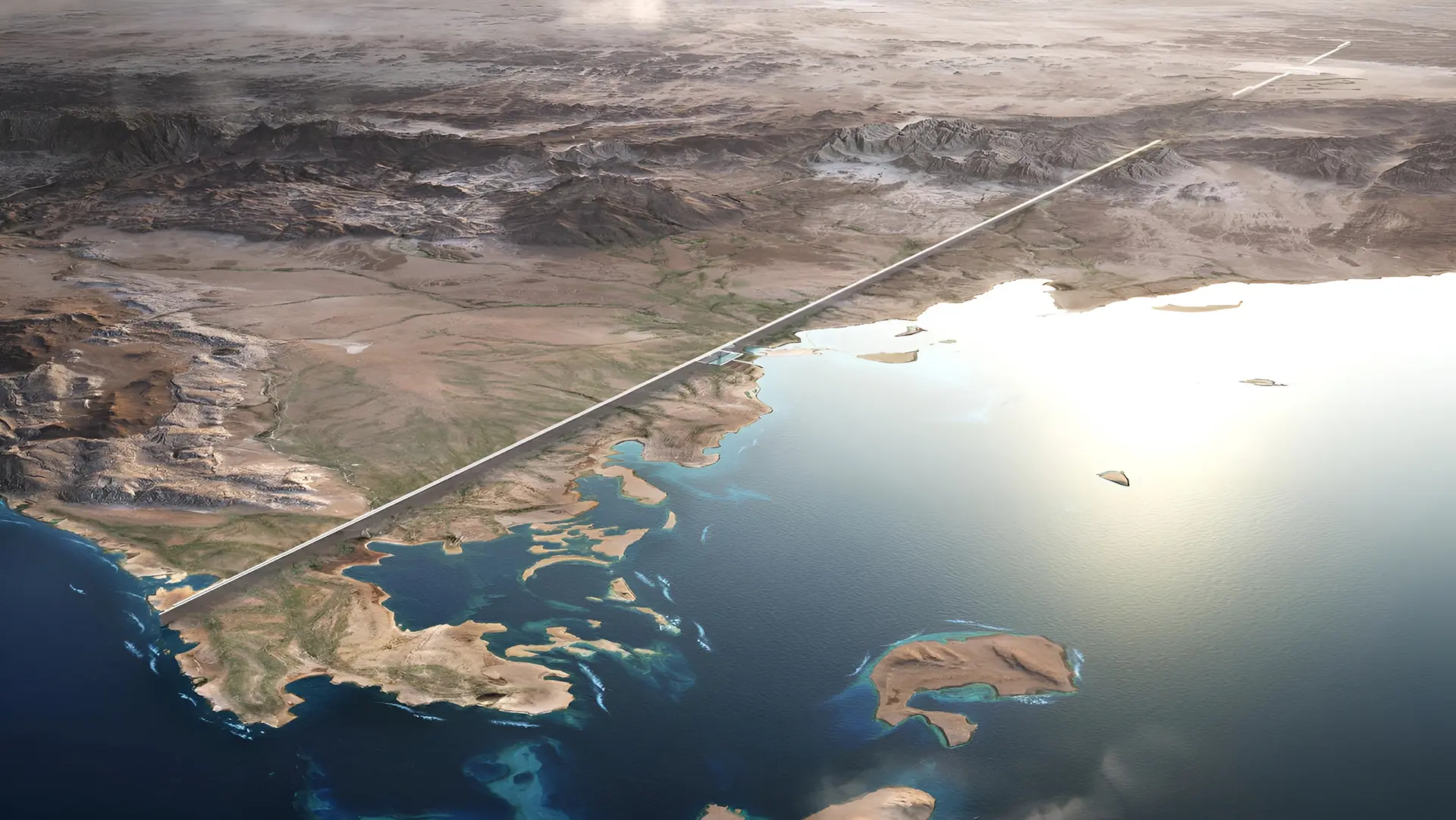
Saudi Arabia is undergoing one of the most ambitious urban and economic transformations in modern history.
Driven by Vision 2030 [1], the Kingdom is investing in new cities, tourism destinations, cultural assets, hospitality developments, infrastructure networks, and mixed-use communities at an unprecedented scale. Yet the significance of this transformation extends far beyond the volume of projects being delivered.
The real shift lies in how success is being defined.
For decades, development was often measured through physical growth, more buildings, more infrastructure, and more capacity. Today, the focus is increasingly on experience, quality of life, economic diversification, and long-term value creation.
As a result, the built environment is evolving from a collection of projects into a platform for social, cultural, and economic transformation.
For developers, investors, and design professionals, this represents a fundamental change in how places are planned, designed, and delivered.
One of the defining characteristics of Vision 2030 is its emphasis on creating destinations rather than standalone developments.
Whether through tourism projects, mixed-use districts, waterfront developments, cultural hubs, or entertainment destinations, the objective is no longer simply to construct buildings. The objective is to create environments that attract people, encourage engagement, and support long-term economic activity.
This shift reflects a broader understanding that successful places generate value through experience.
People may visit a destination for a specific attraction, but they return because of the overall quality of the environment, the diversity of experiences, and the emotional connection they develop with the place. [2]
As a result, placemaking, public realm design, and user experience are becoming increasingly important components of development strategy.
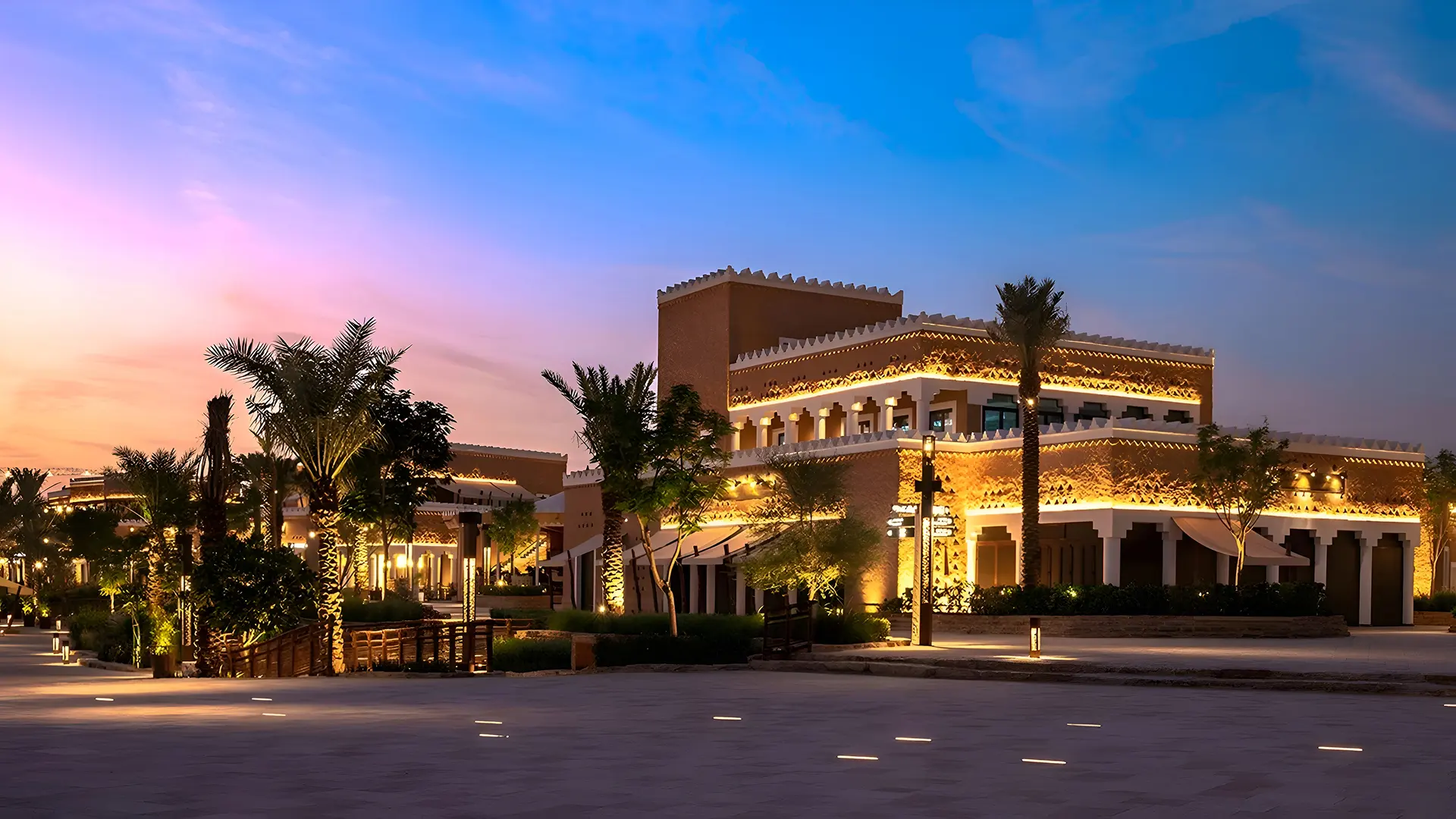
Vision 2030 has placed quality of life at the center of national development priorities.
This focus is influencing everything from residential communities and public spaces to mobility networks and hospitality environments.
Developments are increasingly expected to support healthier, more connected, and more active lifestyles. Walkability, access to green spaces, recreational opportunities, cultural experiences, and community engagement are becoming important measures of project success. [3]
The implications for design are significant.
Projects can no longer be evaluated solely by their physical specifications. They must also be assessed by how effectively they contribute to the daily lives of residents, visitors, and communities.
In this environment, human experience becomes a key performance metric.
Tourism is one of the central pillars of Vision 2030, but its influence extends well beyond hotels and resorts.
Across residential, commercial, retail, and mixed-use developments, expectations are increasingly shaped by hospitality principles.
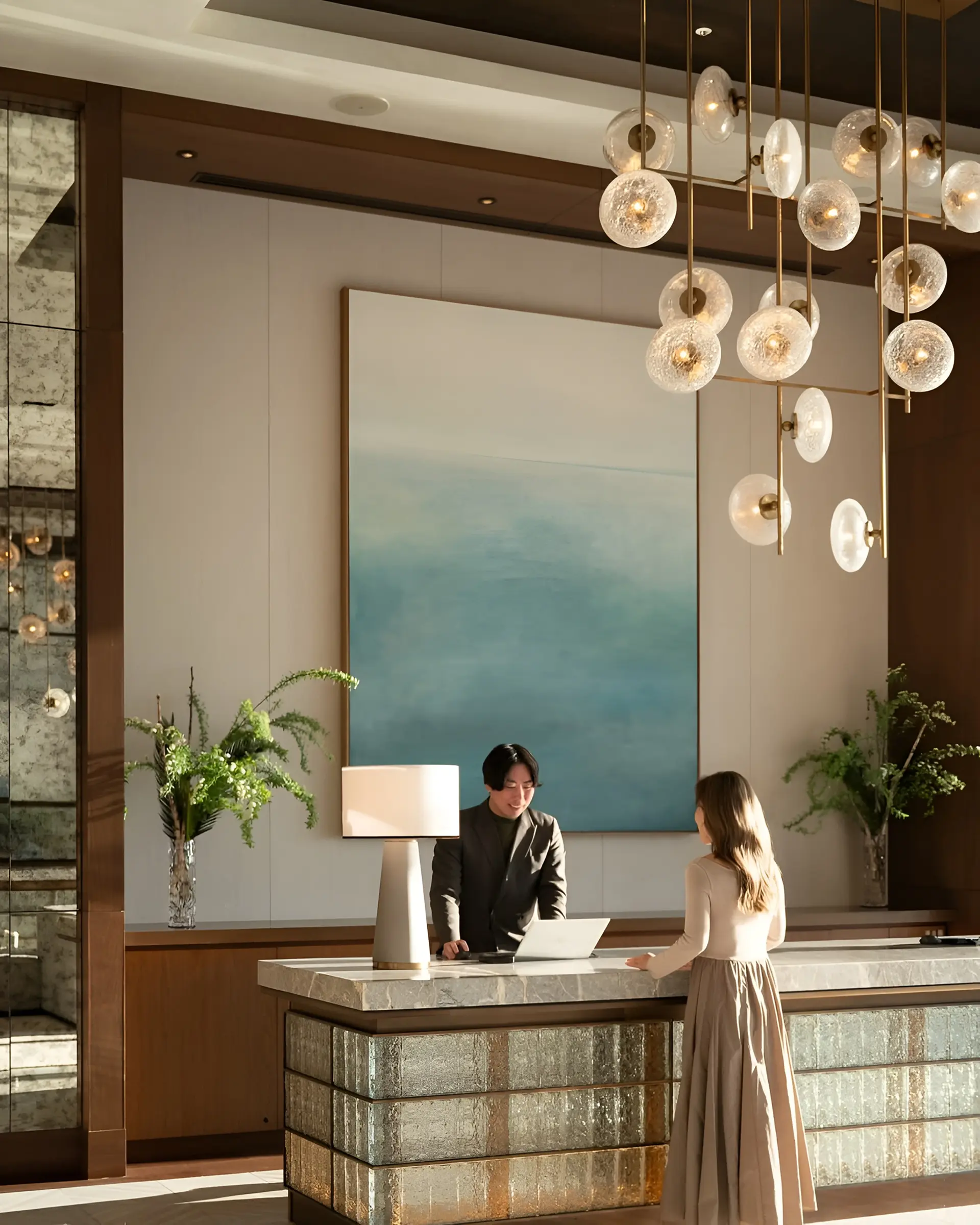
People expect seamless arrival experiences, intuitive environments, high-quality public spaces, personalized services, and memorable interactions.
This shift is encouraging developers to think beyond traditional asset categories and focus on the overall experience journey.
The result is a growing emphasis on environments that feel welcoming, engaging, and destination-oriented regardless of their primary function.
The future of development in Saudi Arabia is becoming increasingly integrated.
Rather than separating residential, commercial, retail, entertainment, and hospitality functions, many new projects are bringing these uses together within connected environments.
This approach reflects a recognition that successful destinations depend on activity, diversity, and convenience.
When residents can live, work, shop, dine, and socialize within a connected district, the result is greater engagement, stronger footfall, and enhanced economic performance. [4]
The most successful developments function less like isolated projects and more like urban ecosystems where each component supports the performance of the others.
As the Kingdom continues to expand its development ambitions, sustainability is becoming an increasingly important consideration.
Environmental performance, operational efficiency, resource management, and climateresponsive design are moving from optional features to essential components of long-term value creation.
Developments that incorporate these principles are better positioned to respond to future regulatory requirements, evolving market expectations, and changing environmental conditions.
Sustainability is no longer solely an environmental objective.
It is becoming a business strategy that supports resilience, competitiveness, and long-term asset performance. [5]
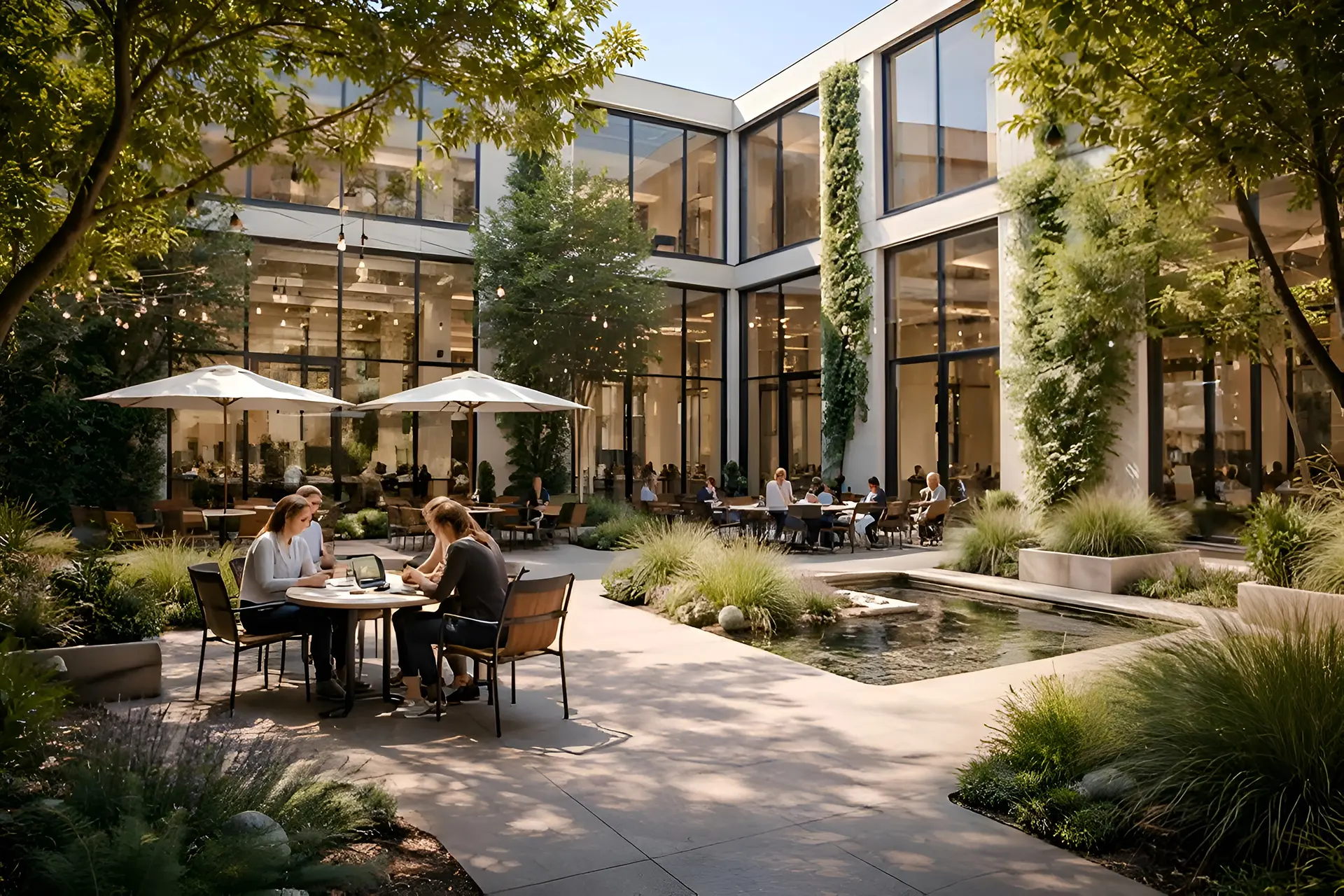
Vision 2030 is reshaping more than skylines.
It is reshaping expectations.
Developers are being challenged to create destinations rather than projects. Designers are being asked to prioritize experience alongside function. Investors are increasingly evaluating assets through the lens of long-term relevance and performance.
The result is a built environment that is becoming more connected, more experiential, and more focused on human outcomes.
As Saudi Arabia continues its transformation, the most successful developments will not be defined solely by their scale or architectural ambition.
They will be defined by their ability to create places where people want to live, work, visit, and return.
In a new Saudi Arabia, designing for growth is no longer enough.
The challenge is designing for experience, resilience, and lasting value.