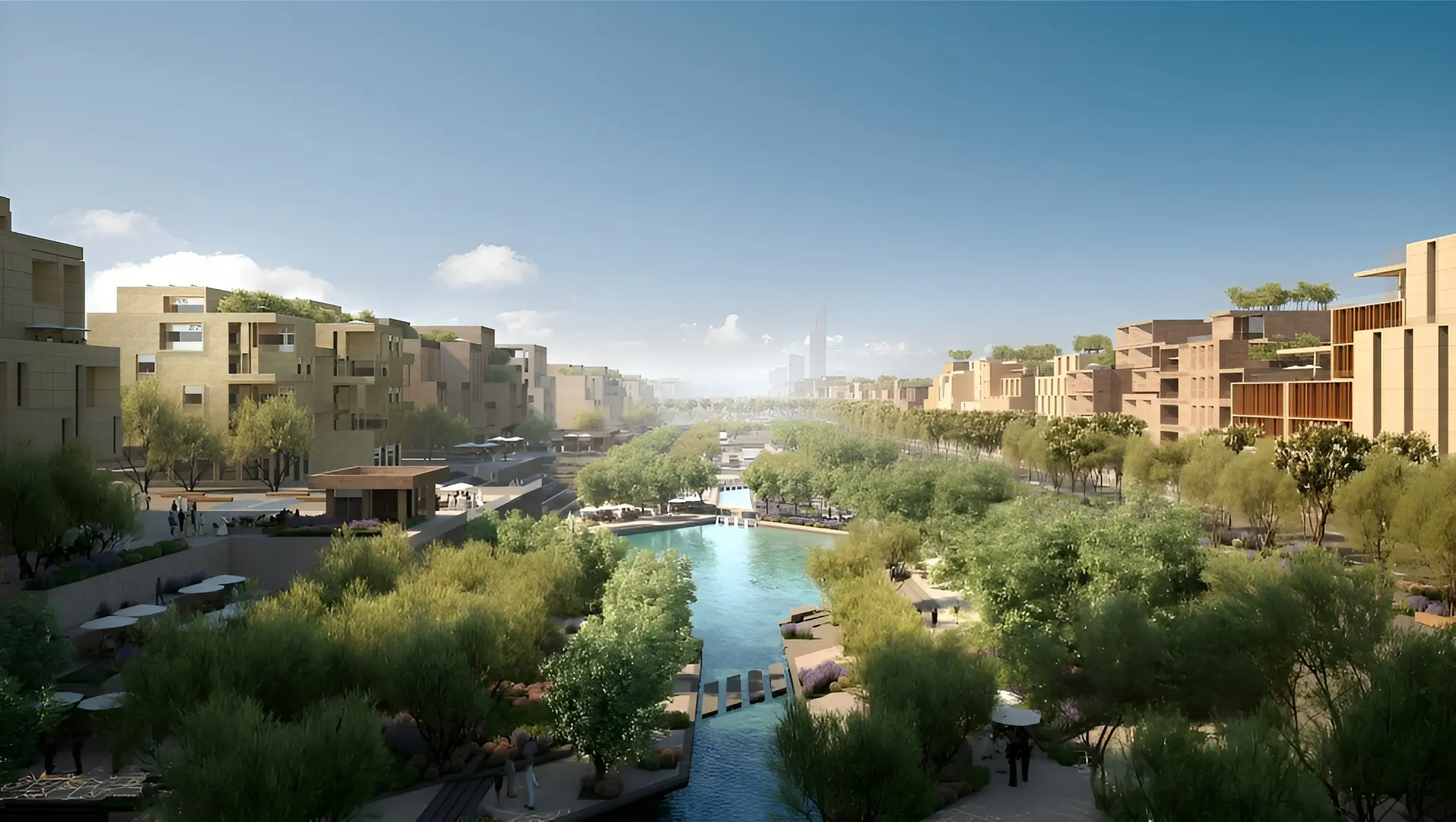
Saudi Arabia is experiencing one of the most significant urban transformations in the world.
Driven by Vision 2030, unprecedented levels of investment are reshaping the Kingdom's cities through new destinations, infrastructure, tourism assets, residential communities, and mixeduse developments. Yet while much attention is focused on projects currently under construction, a more important question is beginning to emerge:
What will define successful developments ten years from now?
The answer extends beyond architecture alone. It lies in understanding how demographic shifts, economic diversification, technological advancement, and changing lifestyle expectations are reshaping the way people interact with cities.
For developers, investors, and asset owners, anticipating these changes may become one of the most important drivers of long-term value creation. [1]
Here are six design shifts likely to shape the next decade of Saudi cities.
For years, development value was often associated with scale.
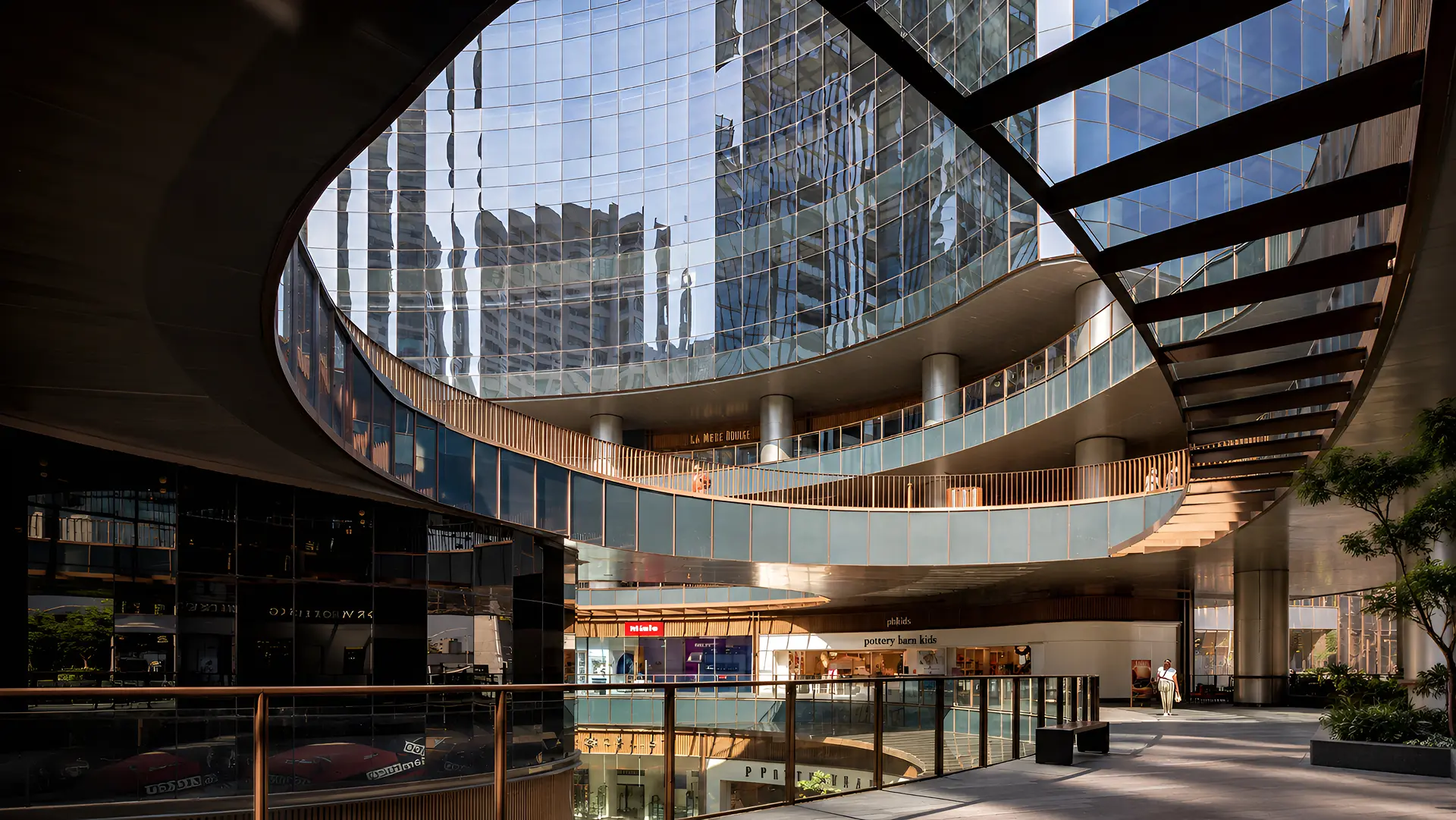
Larger buildings, larger units, and larger projects were frequently viewed as indicators of success. Increasingly, however, people are evaluating places based on the quality of experience they provide rather than their physical size.
Residents, visitors, and businesses are seeking environments that offer convenience, engagement, wellness, entertainment, and meaningful social interaction. [2]
Developments that create memorable experiences are likely to outperform those that compete solely through physical specifications.
The future competitive advantage will be measured less by how much space is delivered and more by how effectively that space is experienced.
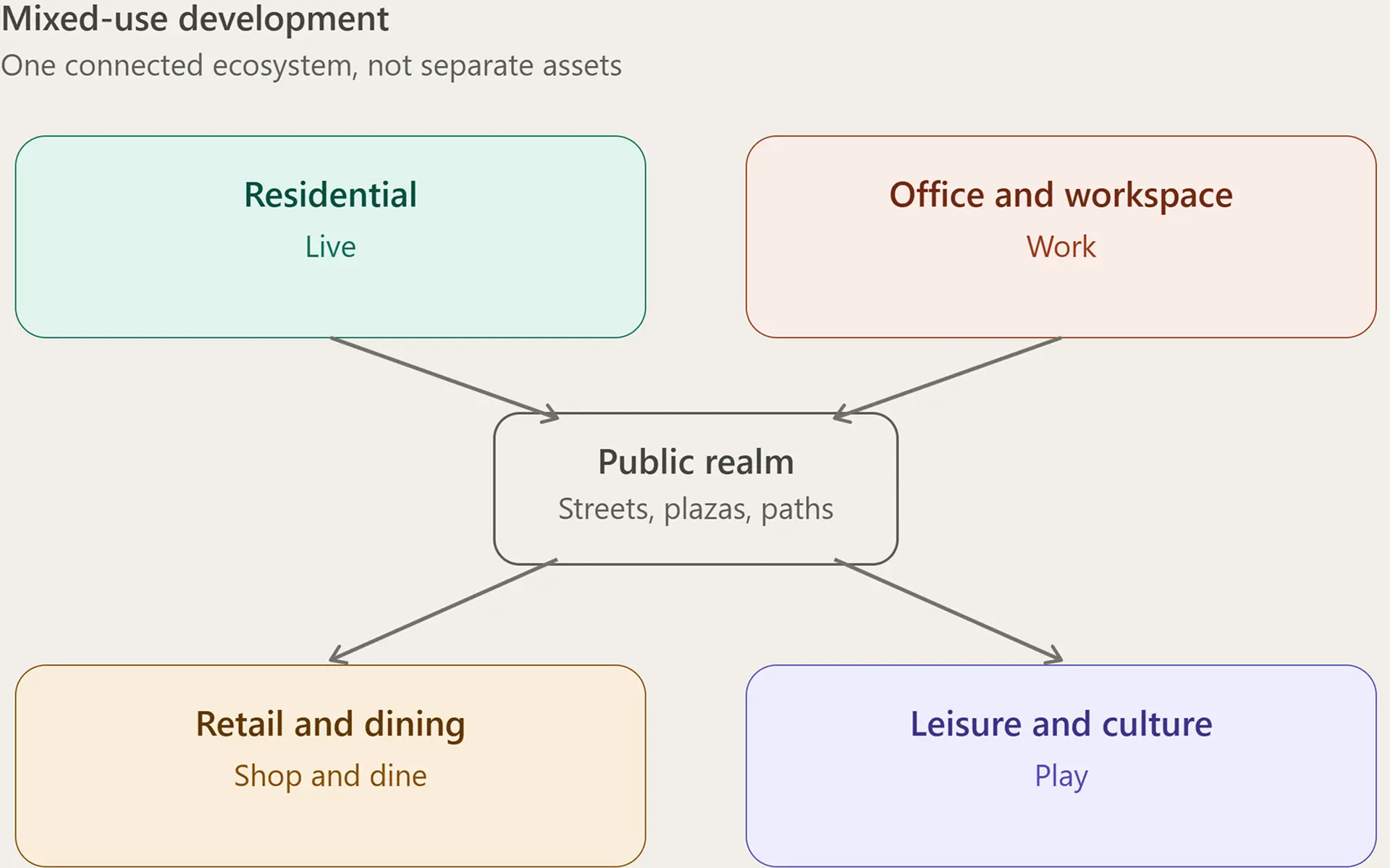
The traditional separation between residential, commercial, retail, hospitality, and entertainment uses is gradually disappearing.
Future developments are expected to support increasingly integrated lifestyles where people can live, work, shop, dine, and socialize within connected environments.
This shift is already visible across major Saudi projects, but its influence will continue expanding across a broader range of developments and urban districts. [3]
Successful projects will function as ecosystems rather than collections of individual assets.
The focus will be on creating activity throughout the day and generating long-term value through complementary uses.
Historically, many developments within the region were planned around vehicle movement.
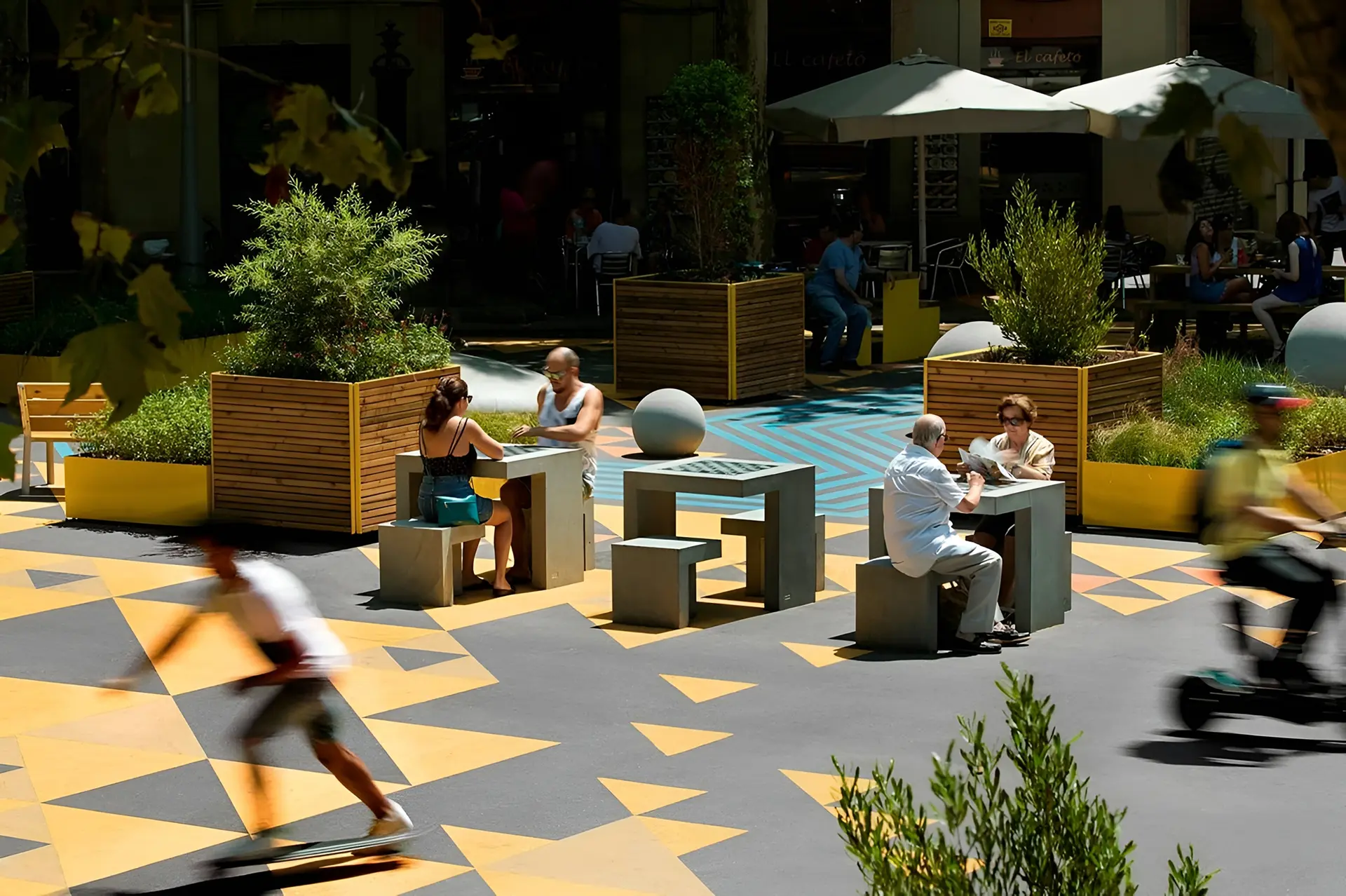
As cities evolve, walkability is becoming an increasingly important measure of quality of life.
Developments that prioritize pedestrian connectivity, shaded pathways, public spaces, and accessible amenities are likely to attract stronger demand from both residents and visitors.
Walkability contributes to health, social interaction, retail performance, and overall user satisfaction.
In the future, it may become one of the most influential factors shaping destination appeal.
The expectations created by the hospitality industry are increasingly shaping how people evaluate all environments.
Residents expect seamless services. Employees expect engaging workplaces. Visitors expect memorable experiences. Customers expect convenience and personalization.
As a result, hospitality principles are moving beyond hotels and influencing residential communities, mixed-use destinations, office developments, and retail environments.
The most successful projects will be designed around the complete user journey rather than individual buildings or functions.
Experience management will become as important as physical development.
Sustainability is rapidly becoming a central consideration in development strategy.
Initially viewed primarily as a regulatory or environmental requirement, sustainable design is increasingly recognized as a contributor to long-term asset performance.
Energy efficiency, water conservation, climate-responsive design, operational resilience, and occupant well-being all influence operating costs and market competitiveness.
As investor expectations evolve and sustainability standards continue to advance, developments that incorporate these principles early will likely achieve stronger long-term positioning. [4]
Future-ready assets will be those that combine environmental responsibility with economic performance.
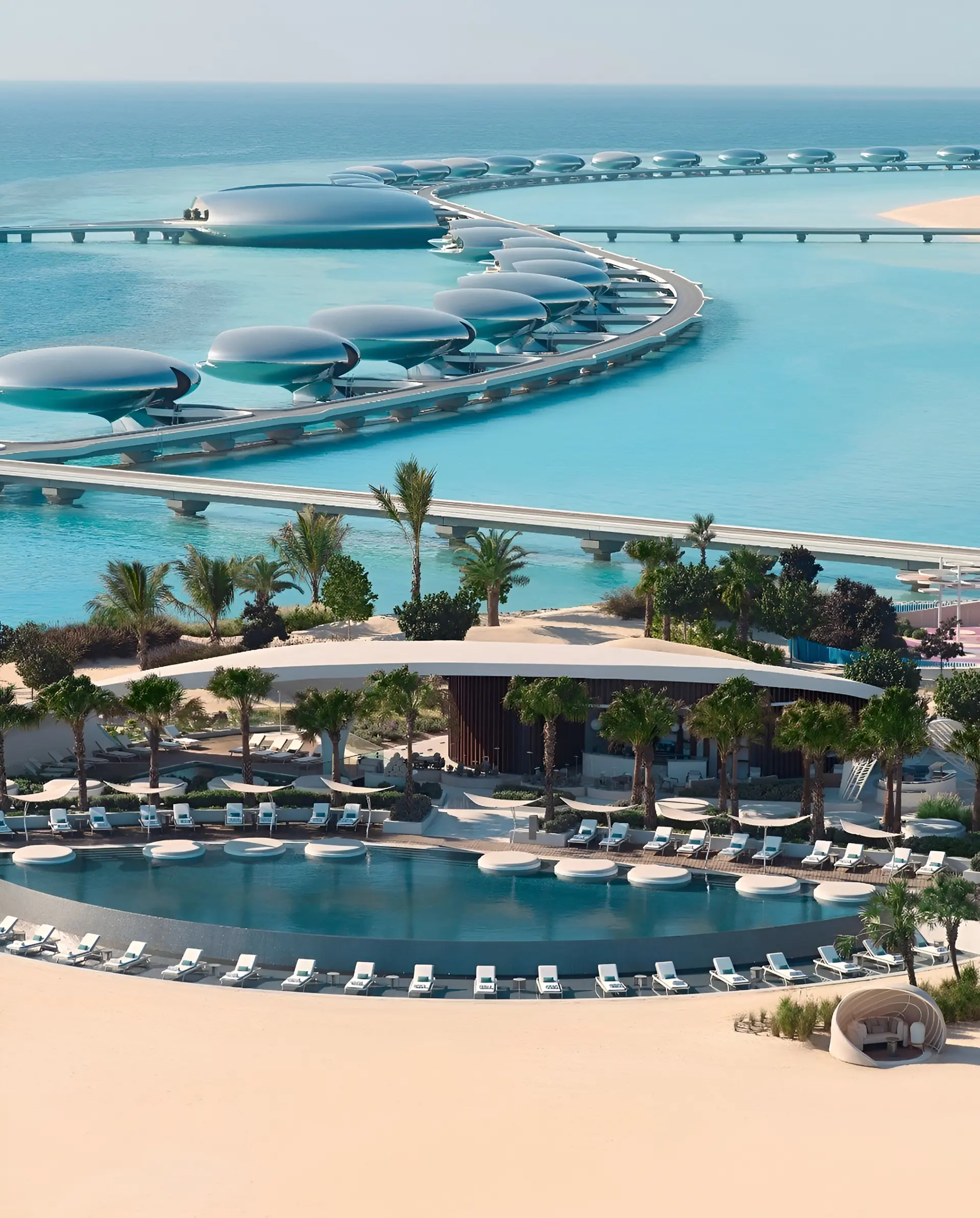
Perhaps the most significant shift will involve a renewed focus on the spaces between buildings.
Public plazas, parks, pedestrian networks, waterfronts, cultural spaces, and gathering environments are becoming essential components of successful destinations. [5]
These spaces influence how people experience a development, how long they stay, and whether they choose to return.
In many cases, they create more lasting impressions than the buildings themselves.
The developments that thrive over the next decade will recognize that public realm is not leftover space. It is a strategic asset that drives engagement, identity, and long-term value.
The next chapter of Saudi urban development will not be defined solely by scale or investment volume.
It will be defined by the ability to create places that respond to evolving human expectations while supporting long-term economic performance.
Developers who continue to focus exclusively on buildings may find themselves competing in increasingly crowded markets.
Those who understand the broader shifts shaping cities—experience, integration, walkability, hospitality, sustainability, and public realm—will be better positioned to create destinations that remain relevant for decades. [1]
The most valuable developments of the future may not be the largest.
They may be the ones that best understand how people want to live, work, and connect in a rapidly changing Saudi Arabia.