%2C%20Riyadh%2C%20KSA.webp)
The idea of a downtown has traditionally been straightforward.
It was the center of a city—defined by density, commercial concentration, transportation access, and administrative importance. Businesses located there for proximity. People visited for work, trade, and civic activity.
But this definition is no longer sufficient.
Across global cities, and particularly in rapidly developing regions such as Saudi Arabia, the concept of downtown is being fundamentally redefined. The drivers that once shaped urban centers are being replaced by new forces that prioritize experience, lifestyle, and long-term value creation.
The modern downtown is no longer defined by where a city is most dense.
It is defined by where a city is most alive.
Historically, downtowns were successful because they concentrated economic activity in a single location.
Today, digital connectivity and distributed work patterns have weakened the importance of physical centrality. People no longer need to be in one place to access business, information, or services.
As a result, the advantage of downtown is shifting.
What now matters is not centrality, but experience concentration—the density of meaningful activities, environments, and interactions within a walkable, connected area.
Successful modern downtowns offer more than office towers or retail clusters. They provide a continuous sequence of experiences across the entire day: work, leisure, culture, hospitality, and public life. [1]
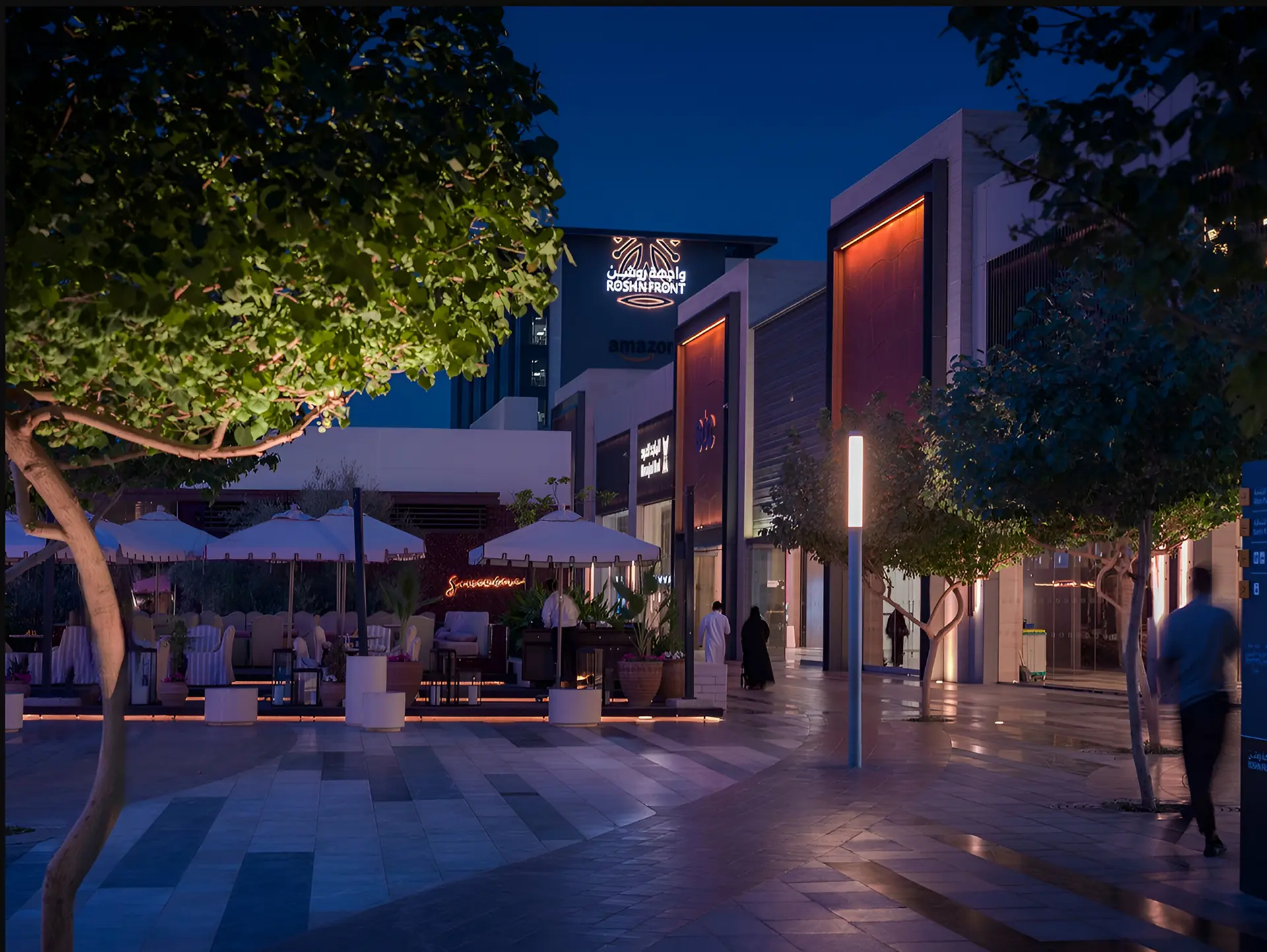
One of the most significant shifts in urban dynamics is the changing behavior of talent.
Highly skilled professionals are no longer choosing locations based solely on employment opportunities. They are evaluating cities and districts based on lifestyle quality, urban experience, and daily convenience.
Access to culture, walkability, public spaces, wellness, dining, and social environments increasingly influences where people choose to live and work.
In this context, downtowns that fail to provide a compelling lifestyle experience struggle to attract and retain talent—even if they remain economically active. [2]
The relationship between work and life is no longer spatially separated. It is integrated into the same environment.
Capital flows are also responding to this shift.
Real estate investment is increasingly influenced by how well a place performs as an experience ecosystem.
Developments that generate strong footfall, long dwell times, mixed-user engagement, and year-round activity tend to attract more stable long-term investment.
In contrast, purely function-driven districts—focused only on offices or isolated uses—are becoming more vulnerable to market fluctuations and changing demand patterns. [3]
Investors are beginning to recognize that experience quality is not a soft metric.
It is a leading indicator of asset resilience.
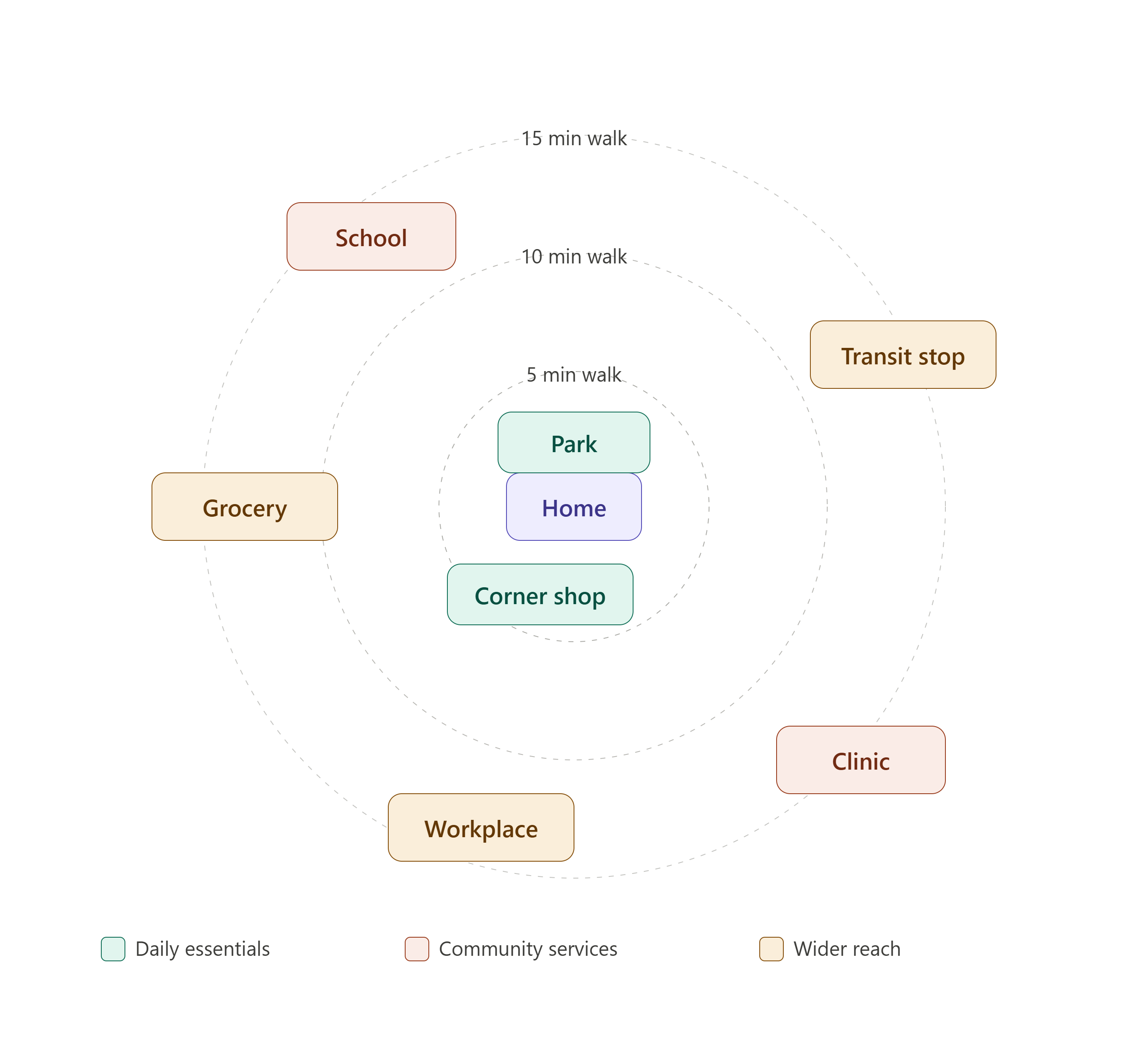
A defining feature of the new downtown model is proximity.
Not just in terms of geography, but in terms of accessibility to daily needs and experiences.
The most competitive urban environments are increasingly structured around the idea that people should be able to access work, leisure, retail, culture, and public space within a short, walkable radius.
This does not eliminate scale.
Instead, it reorganizes it.
Large developments are being designed as interconnected districts rather than monolithic centers, allowing multiple layers of activity to coexist within a compact environment. [4]
In traditional downtowns, infrastructure was primarily understood as transportation and utilities.
In the new model, public realm functions as economic infrastructure.
Streets, plazas, promenades, waterfronts, and pedestrian networks directly influence commercial performance by shaping how people move, gather, and spend time. [5]
A successful public realm increases dwell time. Increased dwell time increases economic activity.
Economic activity increases asset value. In this sense, public space is no longer a visual or social layer.
It is a financial one.
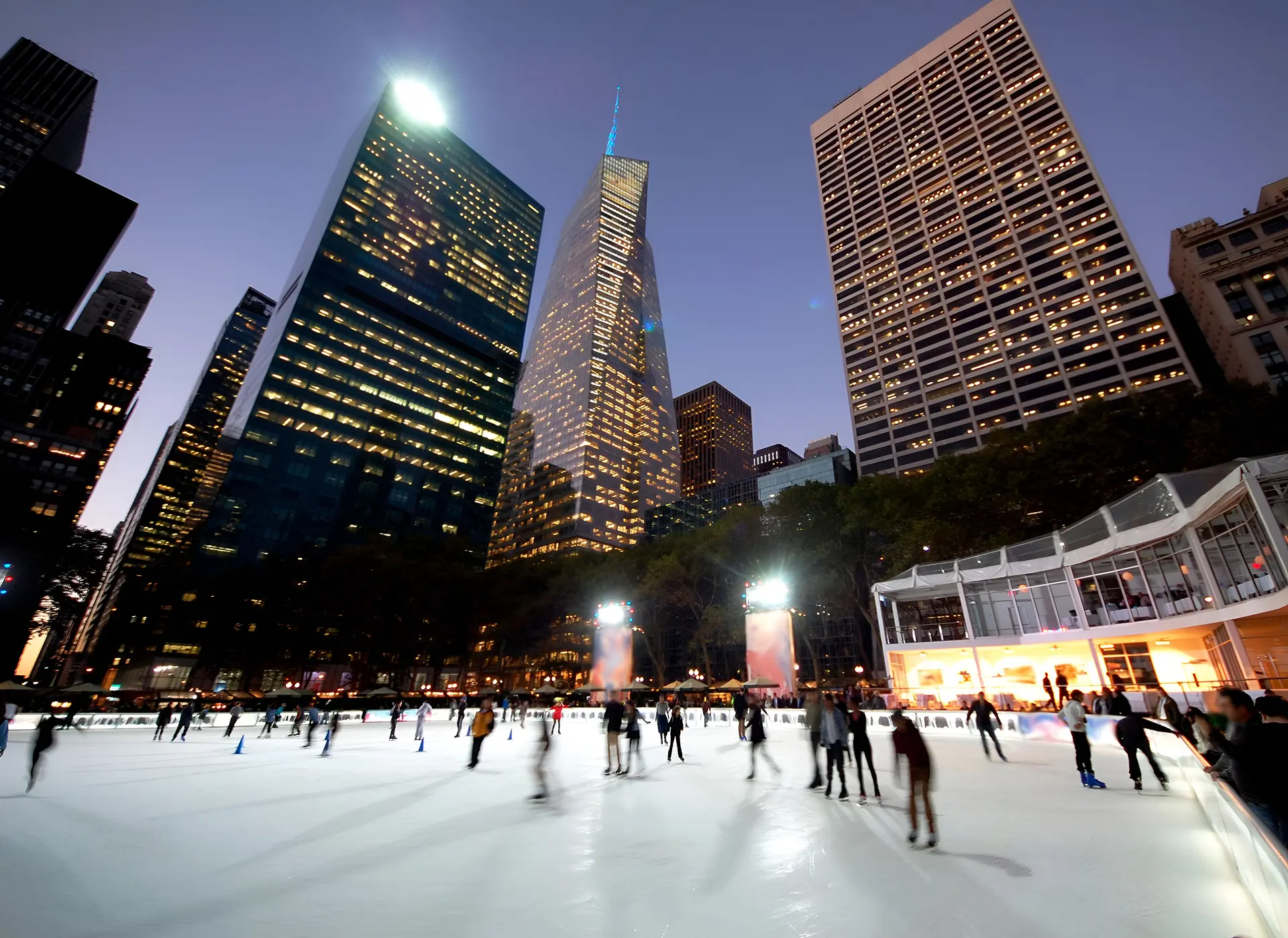
Many existing downtowns struggle because they were designed for a different era.
They were optimized for office concentration, vehicular access, and daytime activity. As work patterns shift and expectations evolve, these environments often lack the ingredients necessary to support continuous life throughout the day.
Without residential integration, cultural programming, hospitality offerings, and high-quality public spaces, they become single-purpose environments in a multi-purpose world. [6]
The result is predictable: reduced footfall, lower engagement, and declining relevance outside peak hours.
The most successful downtowns of the future will not be defined by scale alone.
They will be defined by their ability to sustain continuous urban life.
This means supporting multiple user groups across different times of day:
When these groups overlap, the result is not just activity.
It is resilience.
%2C%20Riyadh%2C%20Saudi%20Arabia.webp)
The most important transformation in the concept of downtown is conceptual.
It is no longer primarily a place of work.
It is becoming a place of life.
Work remains a critical component, but it is now only one layer within a broader urban ecosystem that includes living, leisure, culture, and social interaction.
The downtowns that will thrive in the next decade are those that understand this shift early and design for it intentionally.
Because in the end, the most powerful cities are not defined by where people go to work.
They are defined by where people choose to stay.