Across global markets, mixed-use developments have become a preferred model for creating vibrant urban destinations. By combining hospitality, retail, residential, office, and entertainment functions, these projects promise to generate economic value while creating places people genuinely want to spend time in.
Yet despite significant investment, many mixed-use developments struggle to achieve the level of activity, engagement, and long-term performance envisioned during planning. The buildings may be complete, the tenants may be secured, and the infrastructure may function as intended, but something still feels missing
The reason is often simple: successful mixed-use destinations depend on a combination of interconnected drivers, and overlooking even one can undermine the performance of the entire asset.
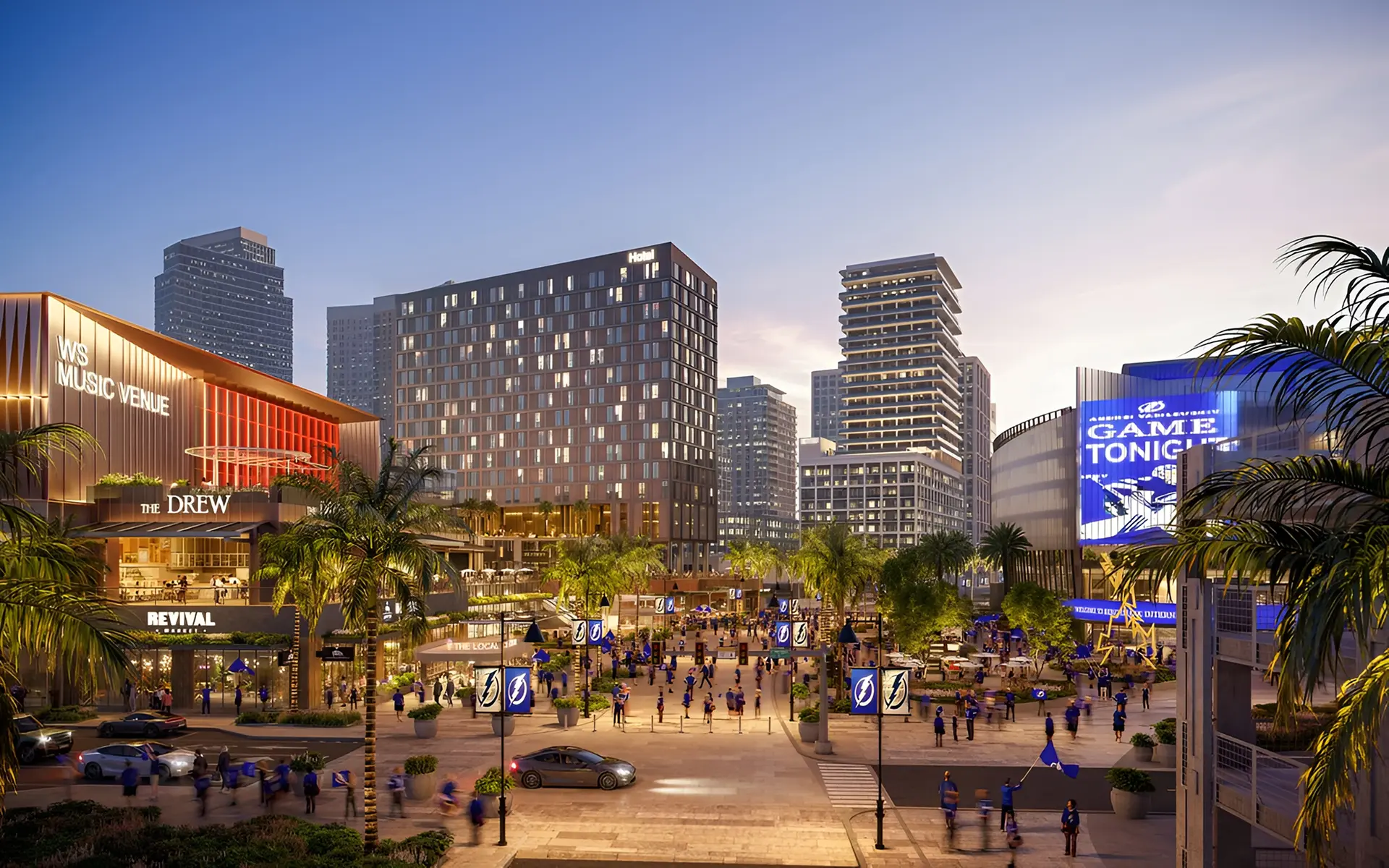
The most successful destinations are easy to reach and intuitive to navigate.
Connectivity extends beyond transportation infrastructure. It includes pedestrian accessibility, wayfinding, visual connections, and the relationship between different program elements. Visitors should be able to move seamlessly between uses without confusion or unnecessary friction.
When circulation networks are thoughtfully integrated, users naturally explore more of the destination, increasing dwell time and supporting retail, hospitality, and entertainment performance. [1]
Projects that prioritize individual buildings over the experience between them often create disconnected environments that limit engagement and reduce overall value creation.
People rarely visit destinations simply because they exist.
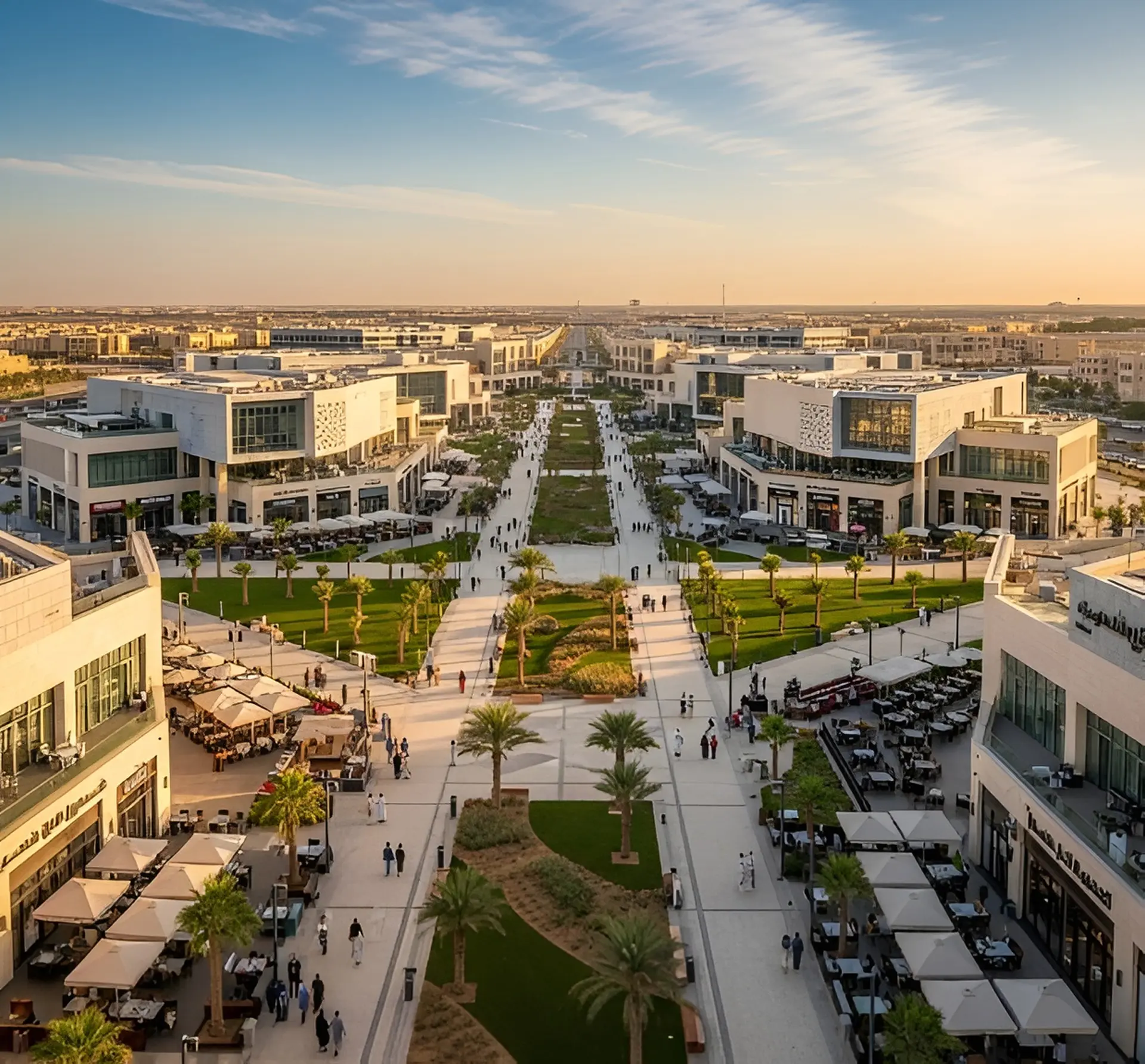
Successful mixed-use projects provide a diverse mix of experiences that encourage people to stay longer and return more frequently. Retail, dining, cultural programming, entertainment, hospitality, and public events work together to create activity throughout the day and across different seasons. The strongest destinations are designed around patterns of human behavior rather than isolated land uses. They recognize that activity generates activity. [2]
A busy café supports retail. Retail supports entertainment. Hospitality supports all three.
When these relationships are intentionally planned, the destination becomes greater than the sum of its parts.
In increasingly competitive markets, differentiation has become essential.
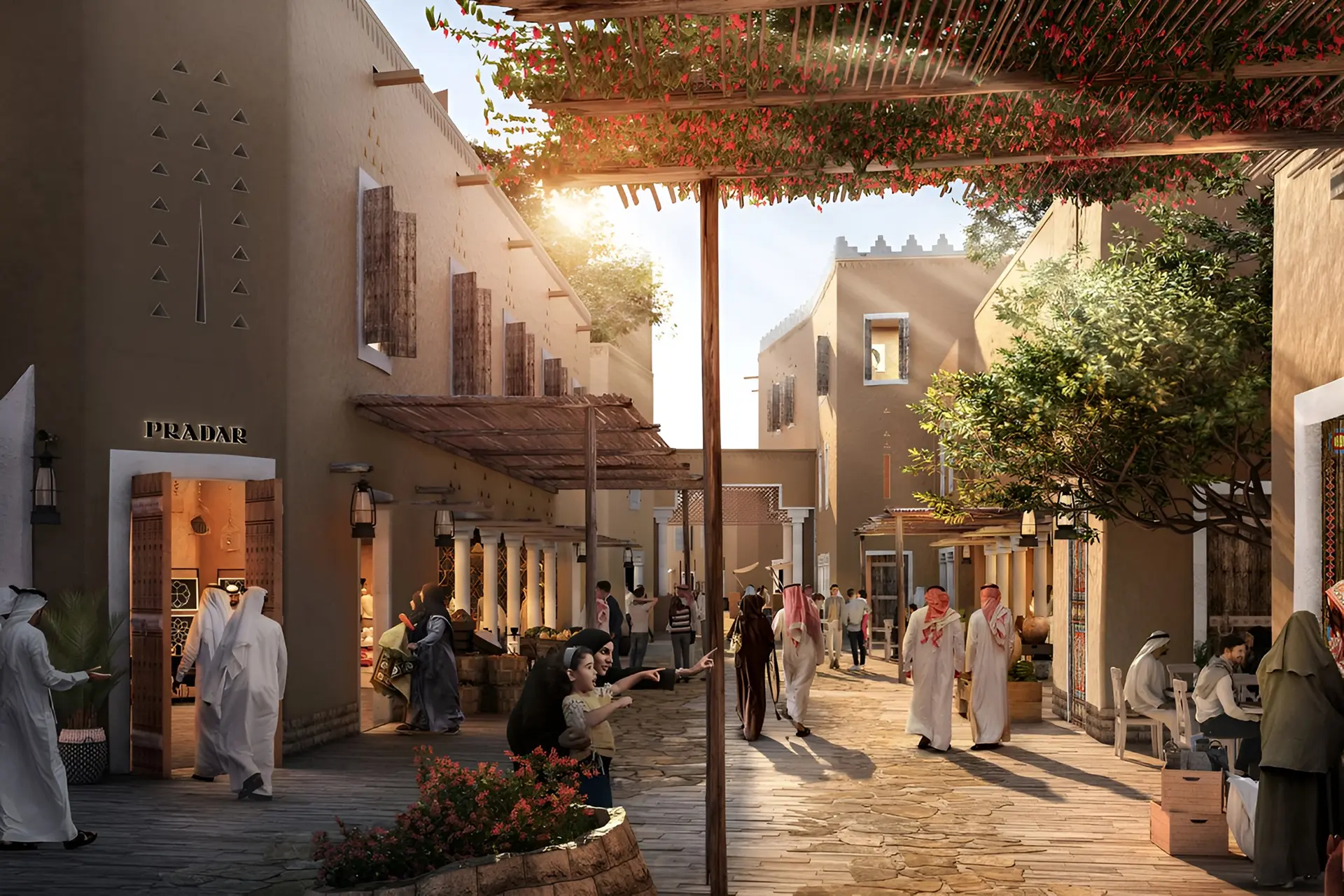
Many developments offer similar tenant mixes, amenities, and architectural features. What distinguishes successful destinations is their ability to create a unique identity rooted in local culture, context, and experience.
Identity is not a branding exercise applied after design is complete. It is embedded within the architecture, public realm, landscape, material selection, and programming strategy.
Destinations with a strong sense of place create emotional connections that cannot easily be replicated elsewhere. They become part of the city's collective memory rather than simply another development within it. [3]
The way people live, work, shop, and travel continues to evolve rapidly.
Mixed-use developments that are designed around current market conditions alone risk becoming outdated as consumer expectations shift. Successful projects anticipate change by creating flexible environments capable of adapting over time.
Flexible public spaces can accommodate events, seasonal activations, and changing tenant needs. Adaptable building layouts support future uses that may not yet exist during the planning phase.
Long-term resilience increasingly depends on a project's ability to evolve without requiring significant reinvestment.
The most successful destinations are not designed for today's market alone. They are designed to remain relevant for decades.
While connectivity, activation, identity, and flexibility receive considerable attention during development, arrival often remains overlooked.
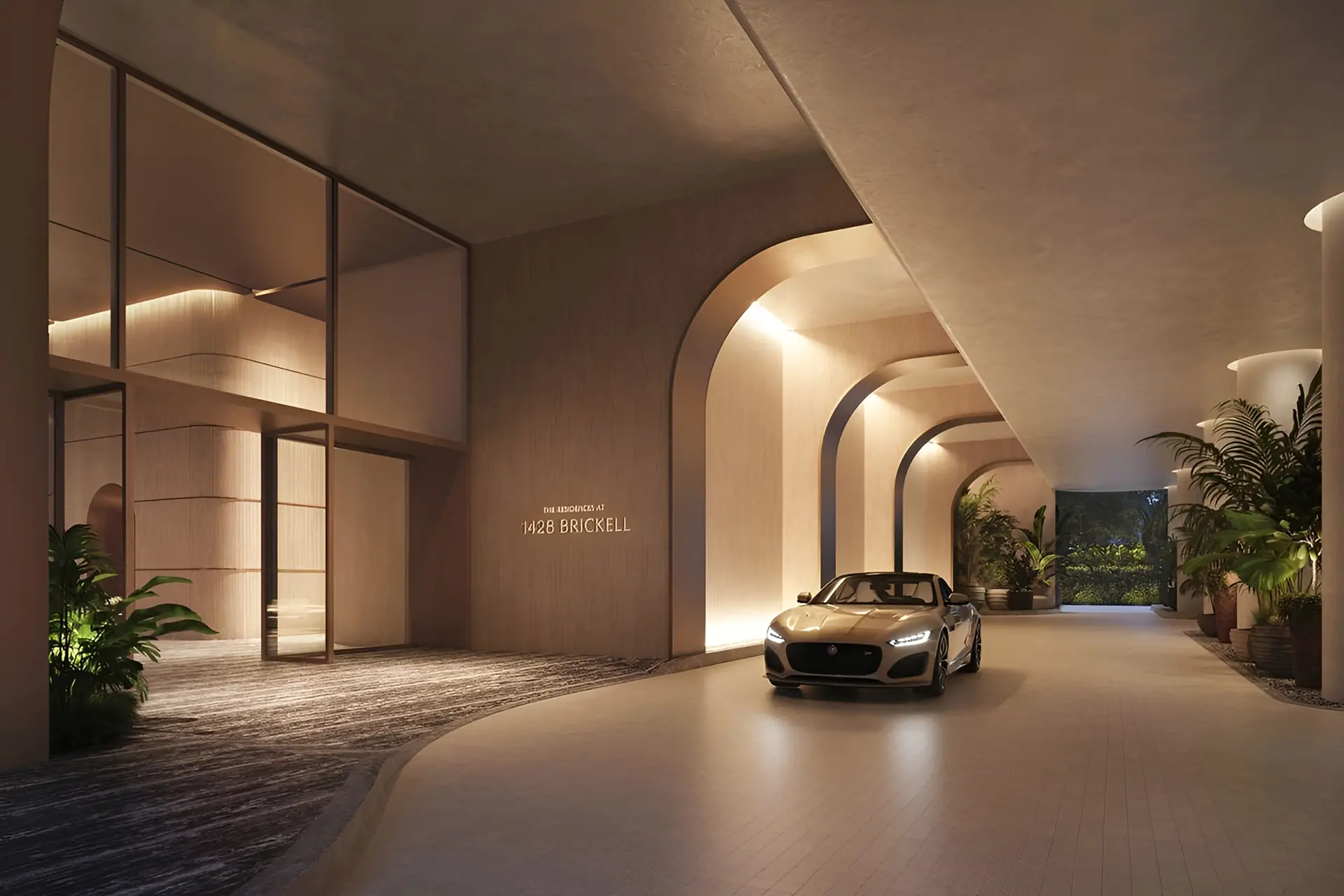
Yet arrival is the moment when visitors form their first impression of the destination.
Before someone enters a hotel lobby, visits a restaurant, shops at a retail store, or attends an event, they experience the approach, the public realm, the entrance sequence, and the transition into the development.
These initial moments influence perceptions of quality, safety, value, and credibility.
Research within hospitality environments has consistently shown that first impressions shape guest satisfaction, behavioral intentions, and perceptions of overall quality. Similar principles apply across mixed-use developments, where arrival experiences influence how visitors engage with the destination as a whole. [4]
A destination may offer outstanding amenities and programming, but if the arrival experience feels confusing, disconnected, or uninspiring, the perceived value of the entire asset can be diminished.
The highest-performing developments treat arrival as a strategic asset rather than a circulation requirement.
The future of mixed-use development is not defined by the number of uses integrated into a project. It is defined by how effectively those uses work together to create meaningful experiences.
Connectivity enables movement. Activation creates energy. Identity establishes differentiation. Flexibility ensures resilience.
But arrival is what shapes the first impression that frames every experience that follows.
Projects that successfully integrate all five drivers create destinations that attract visitors, retain tenants, strengthen brand perception, and generate long-term value. Those that overlook even one often discover that technical success does not always translate into destination success.
In an increasingly competitive market, creating a successful mixed-use development is no longer about assembling programs. It is about creating places people choose to experience, remember, and return to.